Why This Matters to Hollister Homeowners
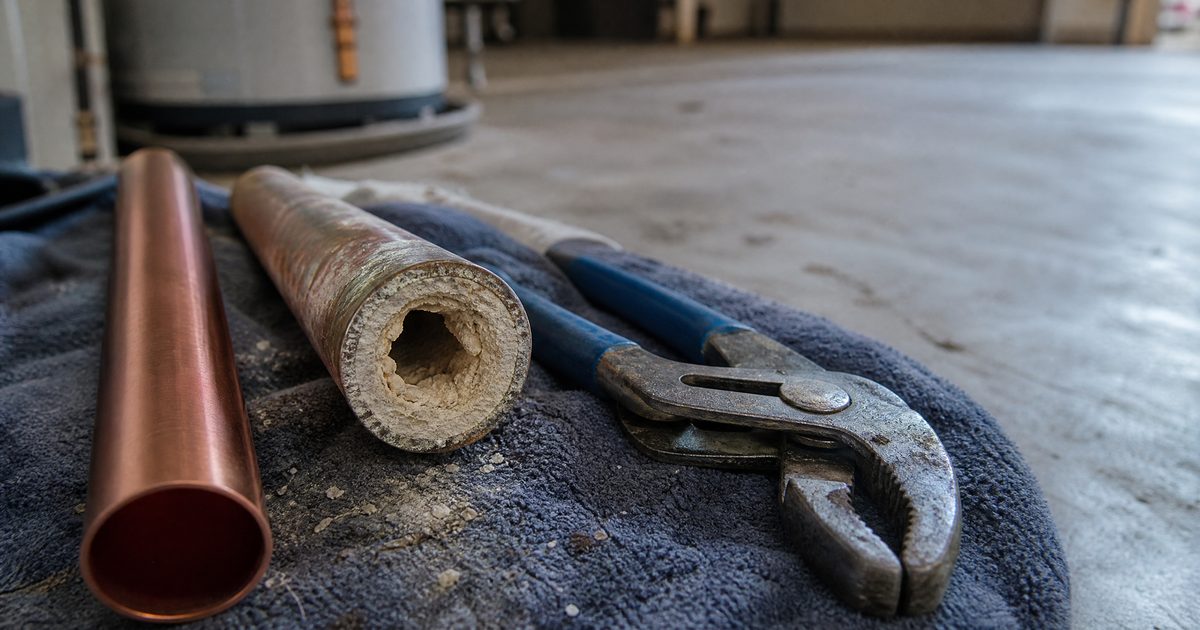
Ask any plumber who works San Benito County what causes the repairs they see most, and hard water is behind a remarkable share of them: seized shutoff valves, worn faucet cartridges, clogged aerators, rumbling water heaters, spotted glassware, and appliances that die years ahead of schedule. Water hardness in the Hollister area ranks among the higher levels in California; both the municipal supply and the private wells that serve rural properties around Hollister and San Juan Bautista carry a substantial mineral load. None of it is harmful to drink; calcium and magnesium are minerals, not contaminants. But what is harmless to your body is punishing to your plumbing. Every gallon that flows through your home leaves a microscopic mineral deposit behind, and over years those deposits compound into the crusty white scale you can see on your shower head and the hidden scale you cannot see inside your water heater and supply lines. Understanding the mechanism is the first step to defending against it.
What Hard Water Actually Does Inside Your Plumbing
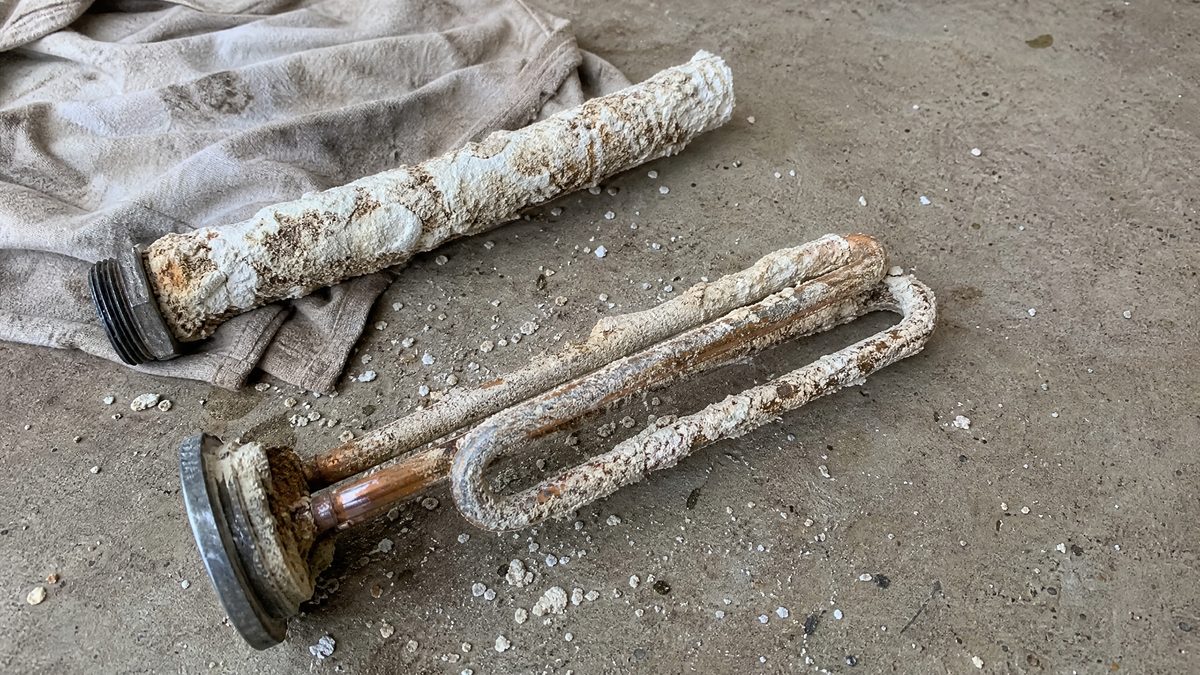
Scale forms fastest where water is heated, because heat drives dissolved minerals out of solution. That makes your water heater the number one casualty: sediment accumulates on the tank bottom, insulating the water from the burner, forcing longer burn times, overheating the steel, and cutting the unit's life from a potential 12 years toward 8 or fewer. On tankless units, scale coats the heat exchanger, the heart of the unit, reducing efficiency and eventually triggering error codes; most tankless manufacturers require water treatment in hard-water regions to keep the warranty valid. Downstream of the heater, scale narrows supply lines the way cholesterol narrows arteries, gradually reducing flow. At the fixture level, minerals crystallize inside faucet cartridges and shower valves, grinding away seals and causing the drips and temperature drift that generate service calls. Rubber components suffer most: toilet flappers, washing machine hoses, and O-rings all degrade faster in mineral-heavy water. Dishwashers and washing machines fail early for the same reasons, with heating elements and solenoid valves scaling up until they quit. Individually these are small failures. Added up across a home over a decade, hard water is quietly one of the most expensive utilities problems you have.
How to Tell How Hard Your Water Actually Is
Before spending money on equipment, get a number. Water hardness is measured in grains per gallon, and the treatment industry generally considers anything above 7 grains hard and above 10 very hard; much of the Hollister area tests well into that upper territory. If you are on the municipal system, your water utility publishes an annual water quality report that lists hardness for your service area, and it is worth the five minutes to look yours up. If you are on a private well, testing is on you: inexpensive test strips give a rough reading, and a proper laboratory test gives you hardness plus iron, sediment, and the rest of the picture a treatment system would need to address. A plumber sizing a softener will also test on site, because equipment capacity is calculated from two numbers: the grains of hardness in your water and the gallons your household uses per day. Skipping the measurement step is how systems end up undersized and exhausted or oversized and wasteful, which is why the assessment always comes before the recommendation.
Maintenance Habits That Slow the Damage
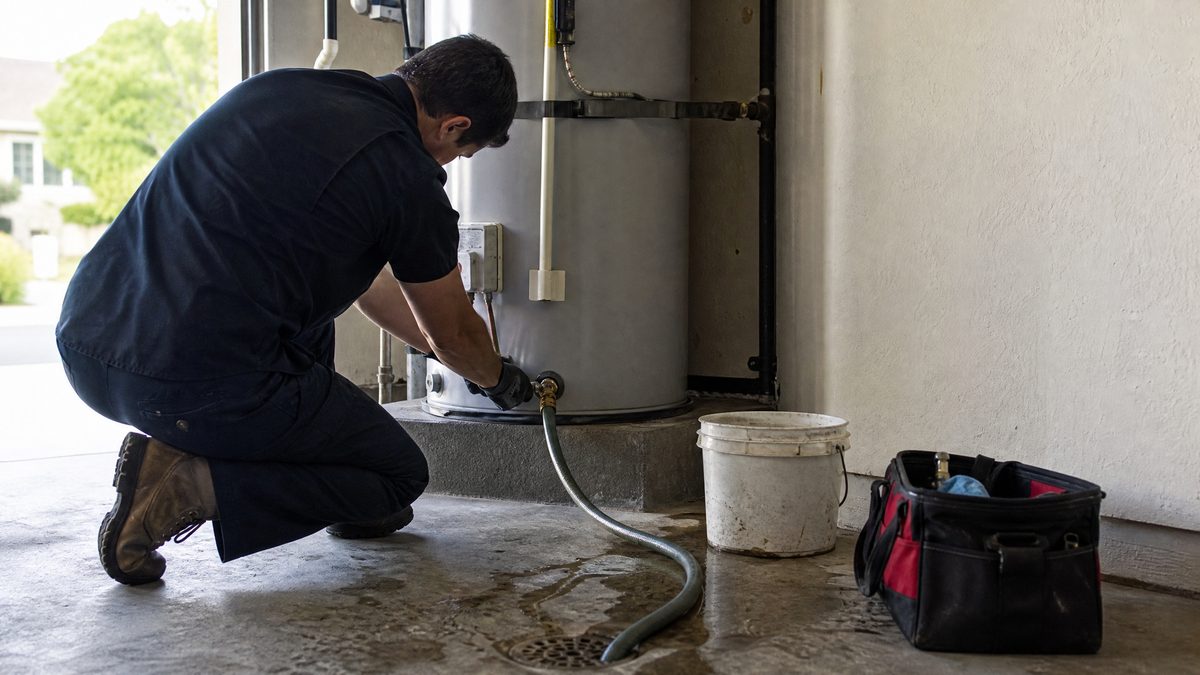
Short of treating the water itself, disciplined maintenance meaningfully extends equipment life. Flush your tank water heater once a year: connect a hose to the drain valve, run it to a safe discharge point, and drain until the water runs clear. This removes loose sediment before it hardens into the insulating crust that kills tanks. If your heater is more than a few years old and has never been flushed, have a plumber do the first one; a drain valve that has not been opened in years can misbehave. Tankless owners should have the unit descaled with a circulation flush roughly annually in our water conditions. At the fixtures, soak removable aerators and shower heads in white vinegar every few months to dissolve surface scale and restore flow. Exercise your shutoff valves, the angle stops under sinks and toilets, twice a year by gently closing and reopening them, because a valve frozen by mineral deposits is useless in the emergency it exists for. Run your dishwasher periodically with a citric-acid-based cleaner. None of this stops scale from forming; it removes deposits before they compound, which is the entire game in an untreated home.
When a Water Treatment System Pays for Itself
There is a point where maintenance stops being enough, and most Hollister homes are past it. A properly sized water softener removes the calcium and magnesium before they enter your plumbing, stopping new scale formation at the source and protecting the water heater, every valve and cartridge, every appliance, and every fixture downstream. The economics are straightforward: weigh the system cost against a water heater that lasts years longer, appliances that reach their design life, fewer service calls for scale-related failures, and lower gas or electric bills from a heater running at full efficiency. Households also notice the daily differences immediately: soap that lathers, spot-free glassware, softer laundry, and skin that does not feel tight after showering. Softeners are frequently paired with filtration stages: carbon filtration for chlorine taste and odor on municipal supplies, and sediment or iron stages for well properties around rural San Benito County. The right combination depends on what is actually in your water, which is why a proper installation starts with an assessment rather than a one-size-fits-all unit. If you are building new or remodeling, rough in a treatment loop during construction; it is a small line item at build time and the single cheapest insurance your plumbing system can get.
What Treatment Costs and What Drives the Price
System cost scales with three things: your water conditions, your household size, and how many treatment stages the water needs. A basic softener for a municipal-supply home is the entry point. Multi-stage systems combining softening with carbon and sediment filtration cost more, and well-water packages with iron treatment sit at the top of the range. Installation cost depends on whether your home has an existing loop (common in newer construction, rare in older Hollister homes) and the distance to a drain and power for the softener. Expect an installer to ask about your water source, household size, and the symptoms you have noticed, and be wary of anyone who quotes a system without asking those questions, because sizing matters: an undersized unit exhausts constantly and fails early, while an oversized one wastes salt and water. At DAE Plumbing, estimates are free, and we size systems to what your water actually needs. Our customers' reviews include treatment systems installed across multiple rental properties, with cleaner water, longer appliance life, and fewer complaints as the reported results.
Softener, Conditioner, or Filter: Choosing the Right Equipment
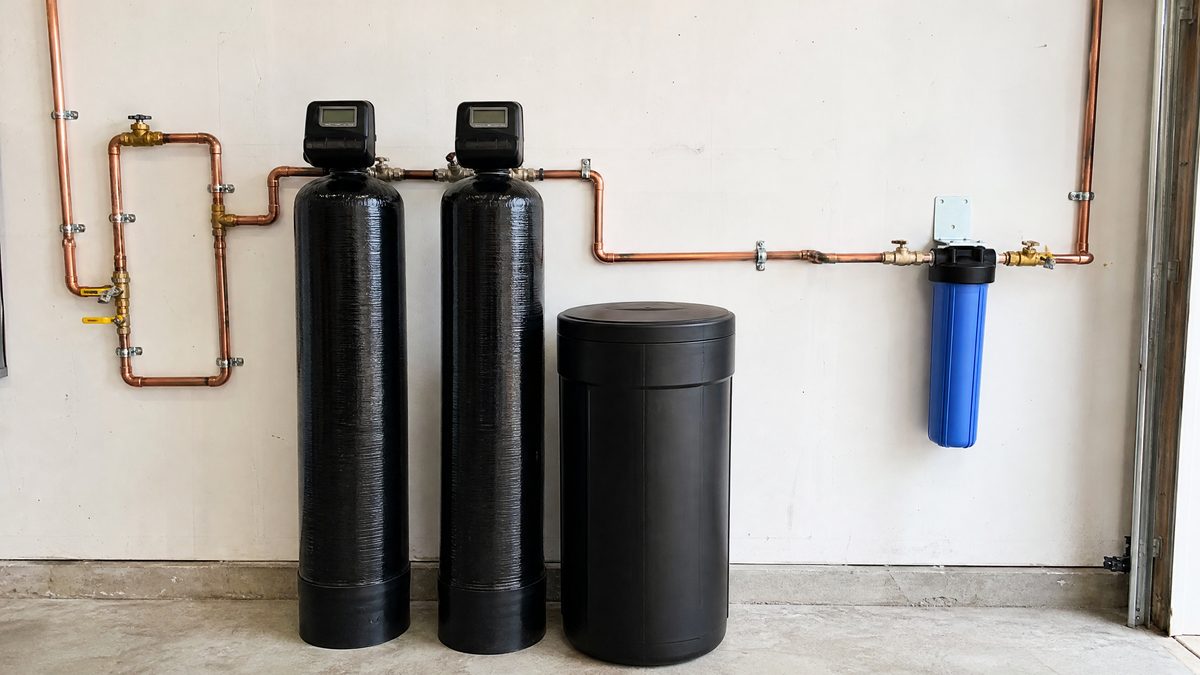
The treatment market is full of overlapping terms, so here is the plain-language version. A conventional ion-exchange water softener physically removes calcium and magnesium by swapping them for sodium as water passes through a resin tank. It is the only technology that genuinely eliminates hardness, and it needs a brine tank, periodic salt refills, and a drain connection for regeneration cycles. A salt-free conditioner does not remove minerals; it alters how they crystallize so they are less prone to sticking as scale. Conditioners need no salt or drain and are lower-maintenance, but in water as hard as the Hollister basin's, a true softener delivers far more complete protection. Carbon filtration is a different job entirely: it removes chlorine, taste, and odor from municipal water but does nothing for hardness. Sediment and iron filtration address the grit and staining common on rural well supplies around San Benito County. Most homes here end up best served by a softener as the backbone, with filtration stages added based on what an assessment of the actual water shows. The wrong answer is buying equipment before testing the water; that is how homeowners end up with a conditioner fighting well-water iron it was never designed for, or a filter that leaves the hardness untouched.
When to Call a Professional
Vinegar soaks, aerator cleaning, and even annual tank flushes are legitimately DIY if you are comfortable with the steps. Call a licensed plumber when a fixture has already seized or drips despite cleaning, when the water heater rumbles or shows rusty water, when you want a tankless descaled, or when you are ready to stop managing symptoms and treat the water itself. Softener and filtration installations involve cutting into the main supply line, installing a bypass, and code-compliant drainage connections, and California regulates certain softener discharge practices, which a local licensed contractor will navigate as part of the job. A treatment system installed correctly runs for years with nothing more than salt refills and scheduled filter changes.
Need a Plumber in Hollister? DAE Plumbing Is Ready to Help
DAE Plumbing designs and installs water softeners, filtration, and conditioning systems across Hollister, San Benito County, and the Central Coast. We are licensed (CA #1047507), bonded, insured, and family-owned, with free estimates on every system. Call us at (831) 801-1079 or contact us today to get your water assessed in Hollister and surrounding areas.