Why This Matters: A Backup Is a Whole-House Problem
A single clogged sink is an inconvenience. A sewer backup is a different animal entirely: it means the main line that carries every drop of wastewater out of your home is obstructed, and the entire drainage system upstream of that blockage is at a standstill. Wastewater has nowhere to go except back the way it came, and it always returns through the lowest opening available, typically a ground-floor tub, shower, or floor drain. Beyond the mess, raw sewage is a genuine health hazard, carrying bacteria and pathogens that contaminate everything porous they touch. The difference between a contained incident and a remediation project is usually measured in how the household responds during the first ten minutes. This guide walks through exactly what to do, what never to do, and why these backups happen in our area, with knowledge that comes from clearing them across Hollister, San Benito County, and the Central Coast.
The First Ten Minutes: Step by Step
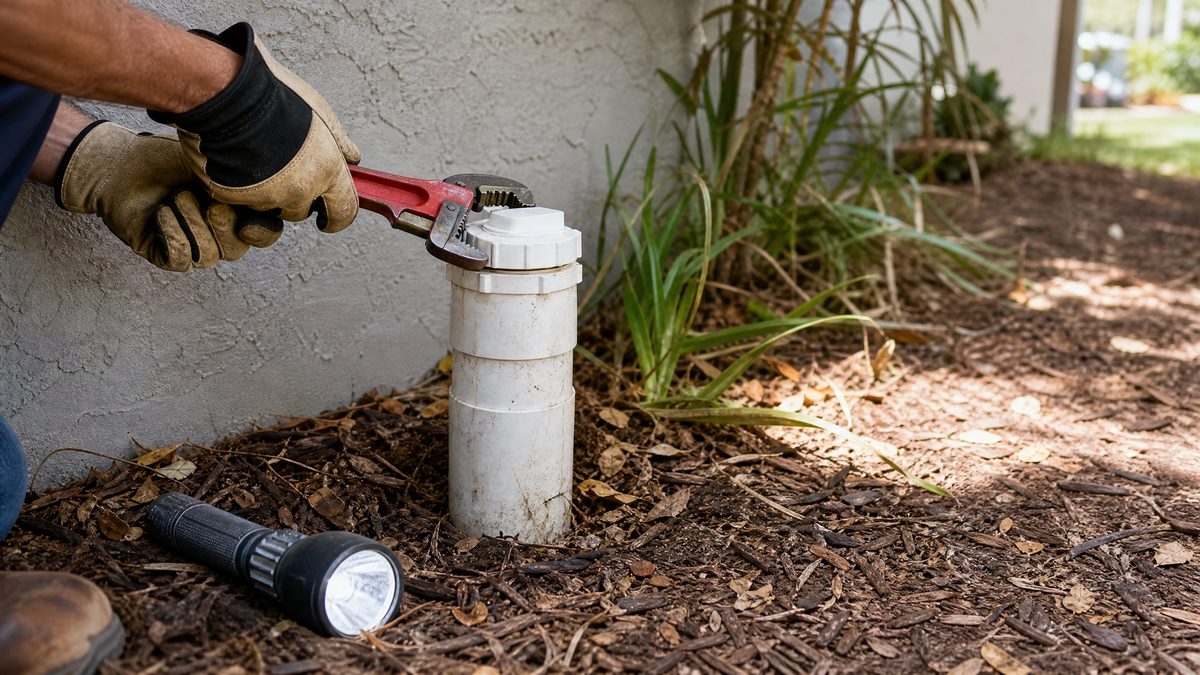
First, stop all water use in the house immediately, and tell everyone home to do the same: no flushing, no faucets, no dishwasher, no laundry. The washing machine is the one people forget, and a single drain cycle can push twenty gallons toward an already-flooding floor drain. Second, identify the scope: if only one fixture is affected and the rest drain normally, you likely have a branch line clog, which is urgent but contained. If multiple fixtures gurgle or back up together (the classic sign is wastewater rising in the tub or shower after a toilet flush), the main line is blocked. Third, protect people and property: keep children and pets out of affected rooms, move rugs and belongings away from the wet zone, and if sewage is actively rising, open ground-floor doors to the outside where you safely can. Fourth, if you know where your sewer cleanout is (usually a capped pipe near the foundation or in the yard between the house and the street) and sewage is rising indoors, carefully removing the cleanout cap outside can relieve the backup to the yard instead of your living space. Wear gloves, stand clear as you open it, and skip this step entirely if you are unsure. Fifth, call a licensed plumber and describe what you are seeing: which fixtures, how fast, and whether this has happened before. Those details tell the crew what equipment to bring.
What Never to Do During a Backup
Do not keep testing fixtures "to see if it cleared"; every gallon you add comes back through the lowest drain. Do not pour chemical drain cleaner into a backed-up fixture: caustic chemicals will not touch a main-line blockage, they sit in the standing water damaging older pipes and seals, and they turn the water into a chemical hazard for the technician who has to work in it afterward. Do not run a rented drain cable into your main line blind; without knowing the blockage type and the pipe's condition, it is easy to break a cable off in the line or punch through a compromised pipe, converting a clearing job into an excavation. Do not handle sewage-soaked materials without gloves, and do not run fans that spread contaminated aerosols through the house. And do not assume a backup that slowly recedes on its own is resolved; a partial blockage that lets water seep past is still a blockage, and it will close again, usually at a worse time.
Health and Cleanup: Treating Sewage Like the Hazard It Is
Once the immediate flow is stopped, resist the urge to start mopping like it is ordinary water. Category three water, the restoration industry's term for sewage, carries bacteria, viruses, and parasites, and everything porous it touches is a contamination question: carpet and pad, drywall it wicked into, cardboard boxes on the garage floor. Hard, non-porous surfaces like tile and sealed concrete can be cleaned and disinfected with confidence; saturated carpet pad and wicked drywall generally cannot, and pretending otherwise is how homes end up with odor and microbial problems months later. Wear gloves and washable shoes in the affected zone, keep the area ventilated to the outside rather than circulating air through the house, wash anything salvageable in hot water, and disinfect cleaned surfaces properly. For small, contained events, such as a few square feet around a floor drain, a careful homeowner can handle cleanup. For anything that spread across rooms, soaked flooring, or sat for hours, a professional remediation company is the right call, and your plumber can usually recommend one they trust. Document everything with photos before cleanup begins; if an insurance claim follows, the photos and the plumber's written cause determination are the two things the adjuster will want first.
Why Sewer Backups Happen in Hollister Homes
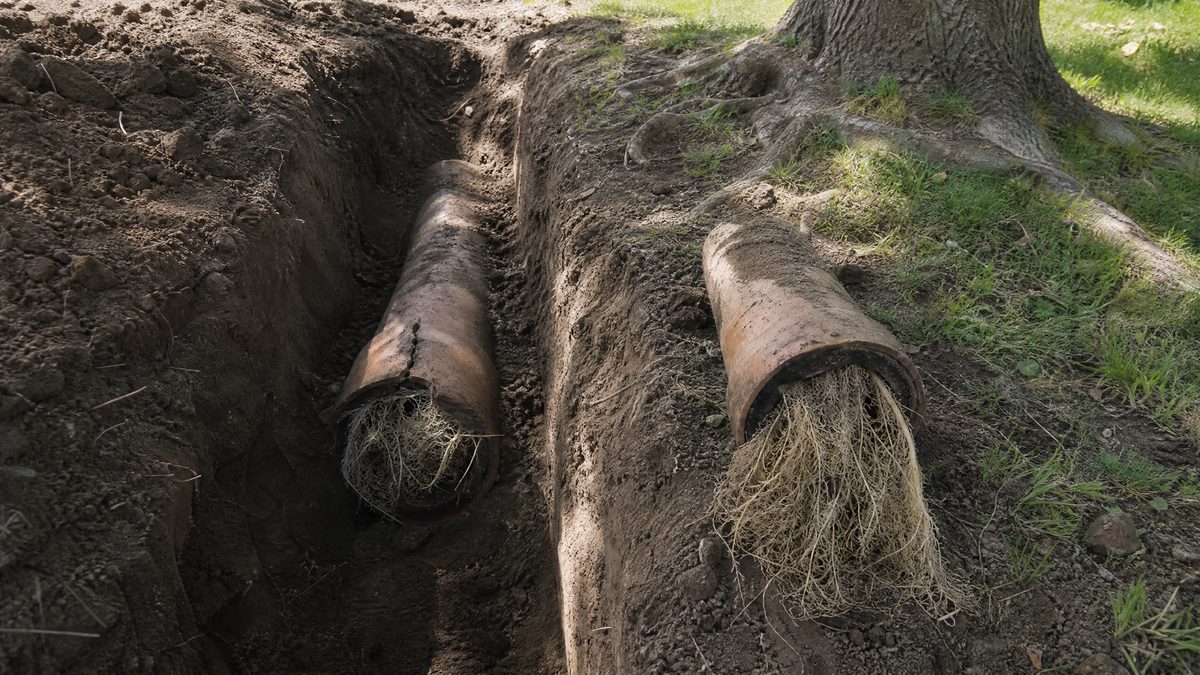
Understanding the cause matters because it determines the fix. In Hollister's established neighborhoods and across San Juan Bautista, the leading cause is root intrusion: mature trees send feeder roots into the joints of aging clay sewer laterals, where they grow into net-like masses that catch everything passing through. Older homes may also have cast iron drain lines whose rough, scaled interior narrows with age, and Hollister's hard water accelerates that scale. The modern culprit in newer homes is wipes (including every product labeled "flushable") along with grease poured down kitchen drains, which cools and congeals along the pipe walls until the line chokes. Structural problems account for the rest: pipe sags (bellies) that collect solids, offset joints from decades of soil movement in San Benito County's expansive clay, and occasionally a collapsed section. A backup that recurs every few months is the signature of an underlying cause, not bad luck, and clearing it repeatedly without a camera inspection is treating the symptom while the cause gets worse.
How a Professional Clearing Works and What It Costs
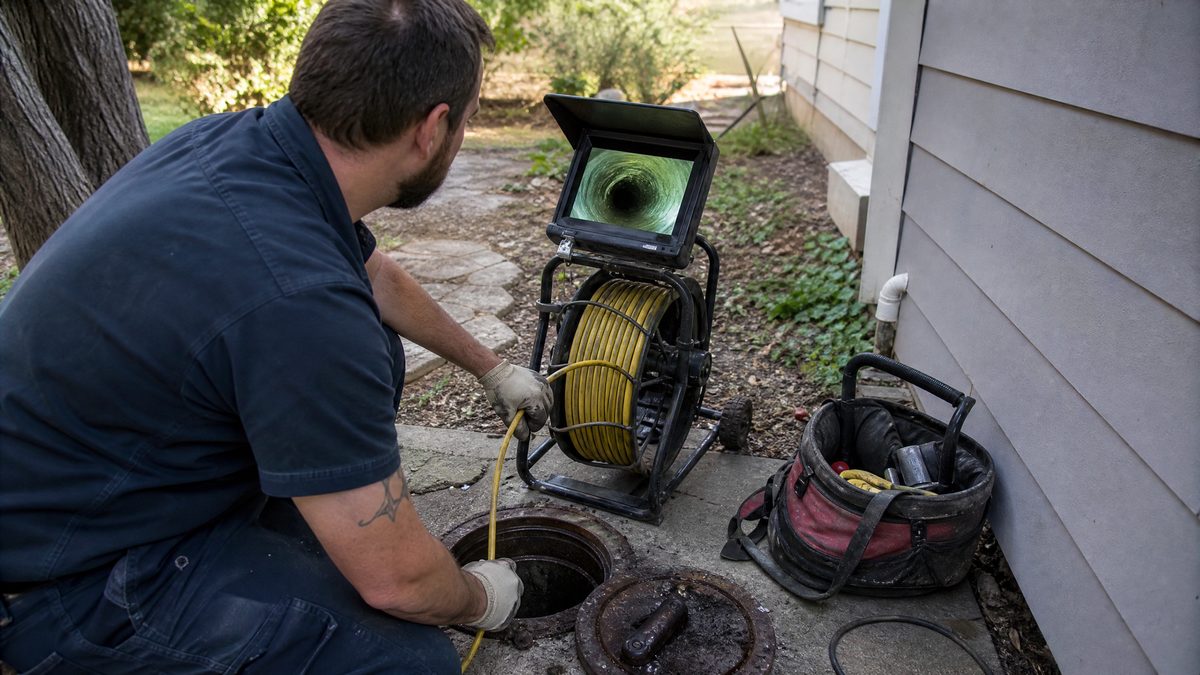
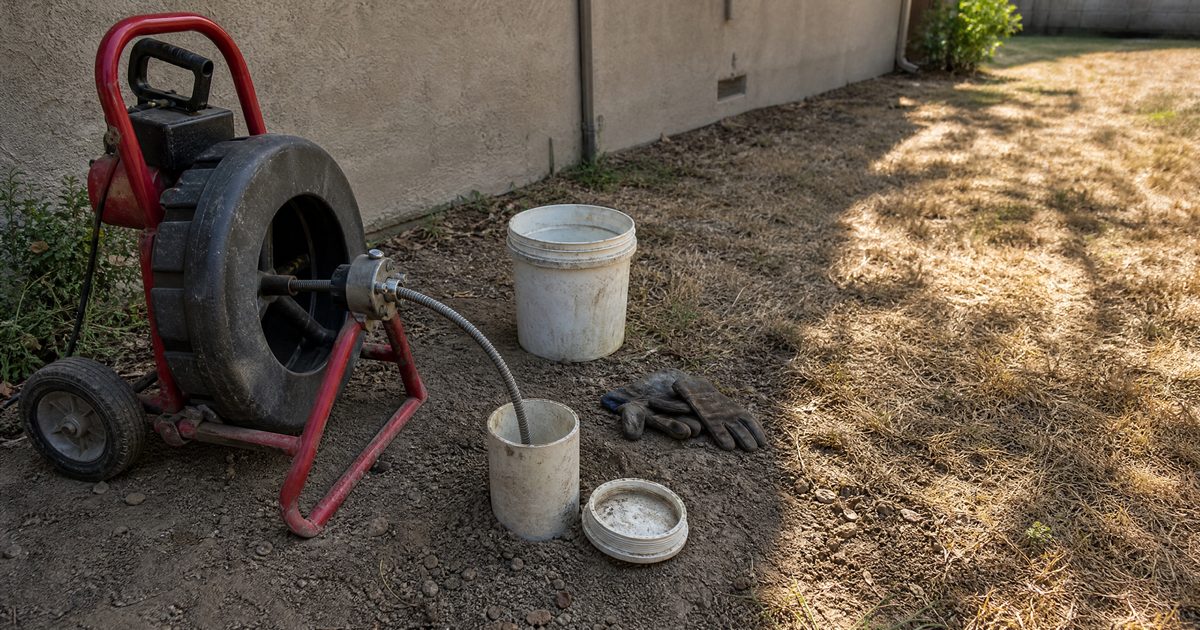
A professional crew starts by confirming where the blockage sits (isolated fixture, branch line, or main), then matches equipment to the problem: motorized drain machines for branch clogs and heavier cable equipment for main lines, run through the cleanout wherever possible to avoid pulling fixtures. Once the line is open, water is run to verify full flow before the job is called done. For recurring or unexplained blockages, a camera inspection after clearing shows exactly what is inside the pipe (roots, grease, scale, or damage) so you can decide on a permanent fix with evidence instead of guesswork. Cost depends on which line is blocked, the distance to the obstruction, cleanout access, and the cause; a simple branch clog sits at the low end, while main-line root intrusion takes more equipment time. Be cautious with heavily advertised bargain drain specials; they typically cover a short cable run through an existing cleanout and convert into surprise charges when real conditions differ. When one local business called us about a sudden sewer backup, our crew brought the right equipment and had everything cleared within hours, and they signed on for an ongoing maintenance plan to keep it from happening again. Estimates at DAE Plumbing are free, and we quote before we start.
Preventing the Next Backup
Once the line is clear, prevention is mostly about honesty regarding what caused the blockage. If the camera showed root intrusion, you have three options in ascending order of permanence: scheduled maintenance clearings timed ahead of the roots' regrowth cycle, mechanical root cutting combined with monitoring, or replacing the compromised section of lateral, the only true cure for a joint that roots have found. If grease was the cause, the fix lives in the kitchen: collect cooking grease in a container for the trash, wipe pans before washing, and run plenty of cold water when using the disposal. If wipes were the culprit, the rule is absolute: nothing goes in the toilet except waste and toilet paper, regardless of what the packaging claims, because "flushable" describes whether it clears the toilet bowl, not whether it survives ninety feet of lateral. For older homes in Hollister's established neighborhoods, knowing where your cleanout is and keeping it accessible saves precious minutes in the next event, and if your home has no accessible cleanout at all, having one installed is a modest job that pays for itself the first time a line needs clearing. Properties with a history of trouble (root-prone laterals, grease-heavy commercial kitchens, aging cast iron) are strong candidates for a scheduled maintenance plan that keeps the line flowing between visits instead of gambling on another emergency.
When to Call a Professional
Call immediately when multiple fixtures back up at once, when sewage appears in a tub or floor drain, when a toilet overflows repeatedly despite plunging, or when backups recur even after clearing. A plunger and patience can handle a single slow fixture; anything involving the main line requires professional equipment, and anything involving standing sewage involves health protocols worth taking seriously. If the backup caused significant indoor flooding, document it with photos for your insurance and ask your plumber for a written description of the cause; some homeowner policies handle sewer backups differently depending on what triggered them.
Need a Plumber in Hollister? DAE Plumbing Is Ready to Help
DAE Plumbing clears blocked drains and main sewer lines for homes and businesses across Hollister, San Benito County, and the Central Coast. We are licensed (CA #1047507), bonded, insured, and family-owned, with free estimates and honest answers about what caused the backup. Call us at (831) 801-1079 or contact us today to get your line flowing again in Hollister and surrounding areas.